Buying Guide: How to Choose Your Sim Racing Seat
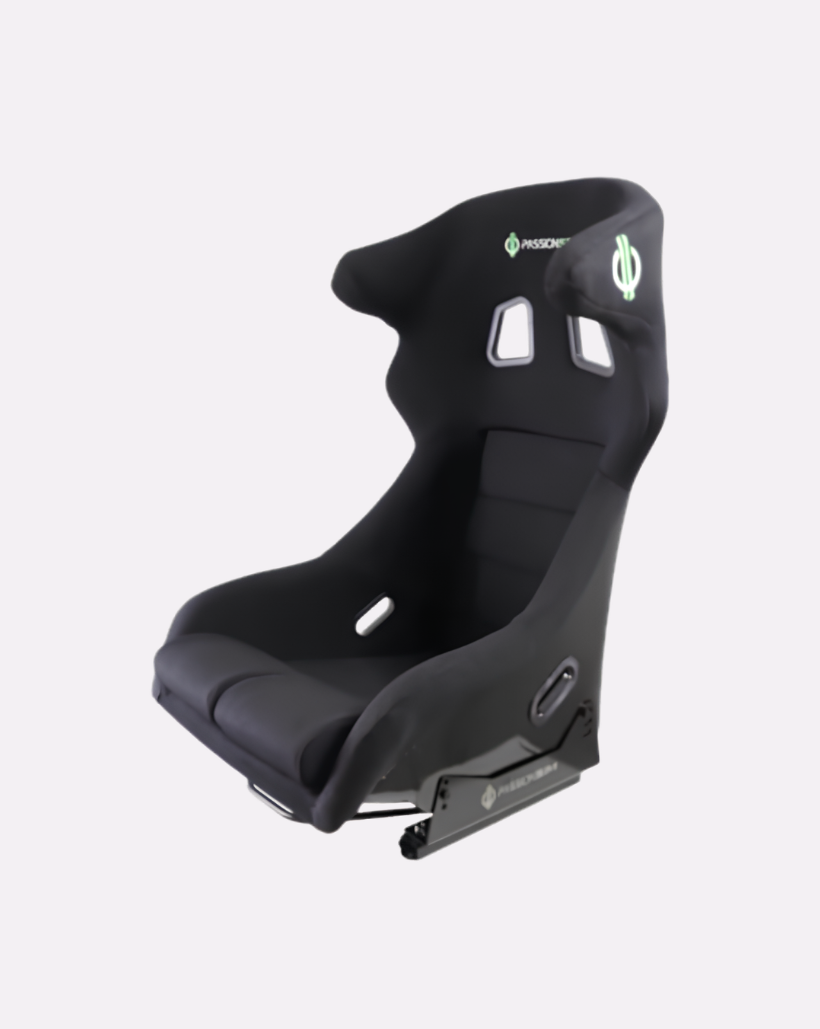
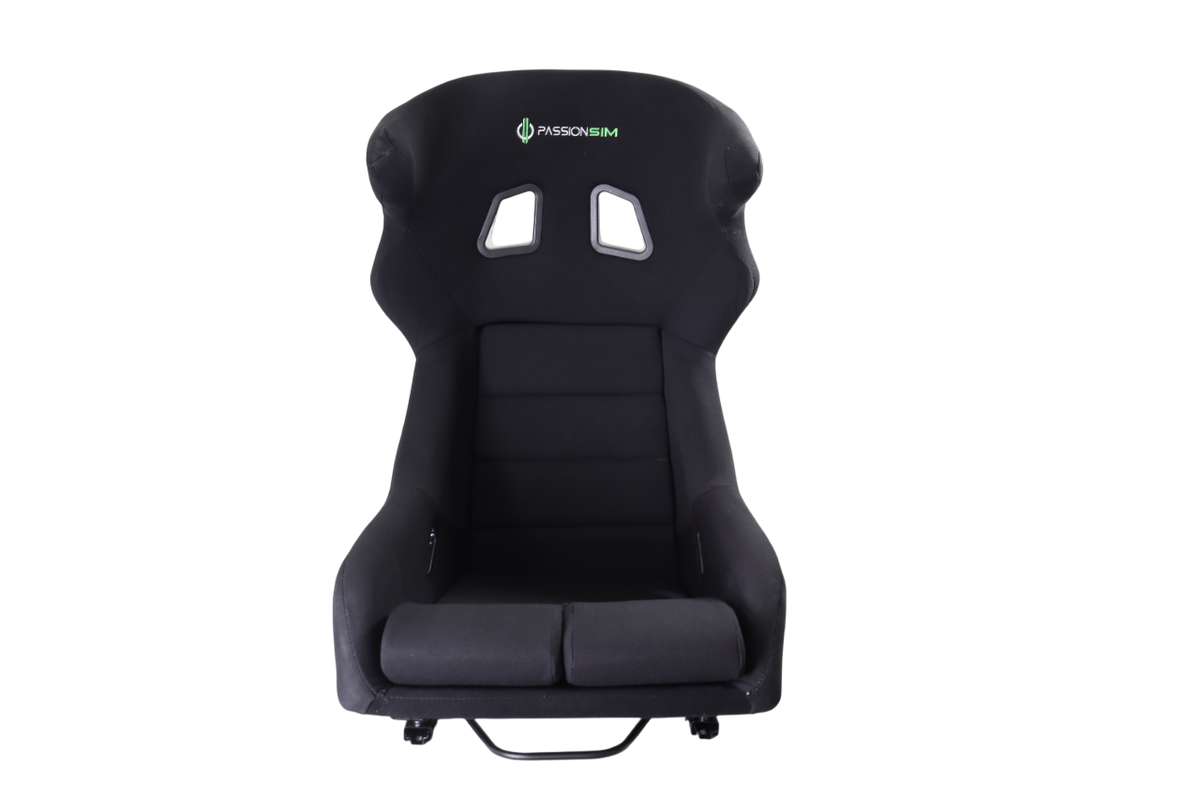
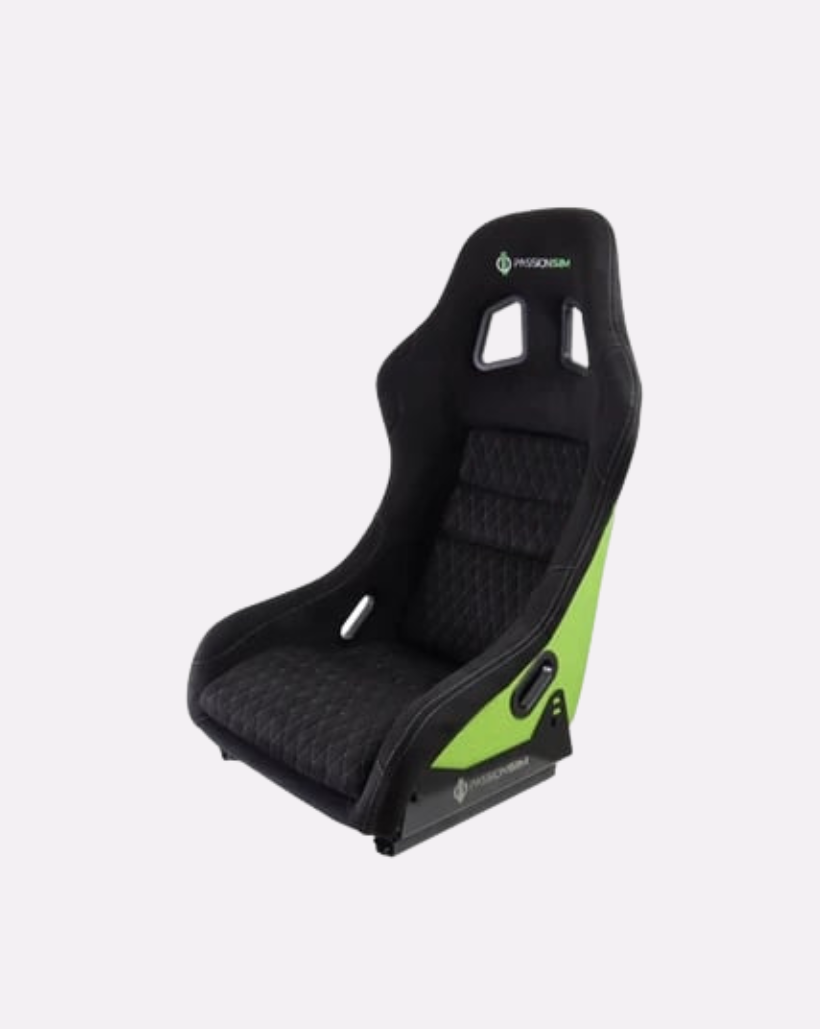
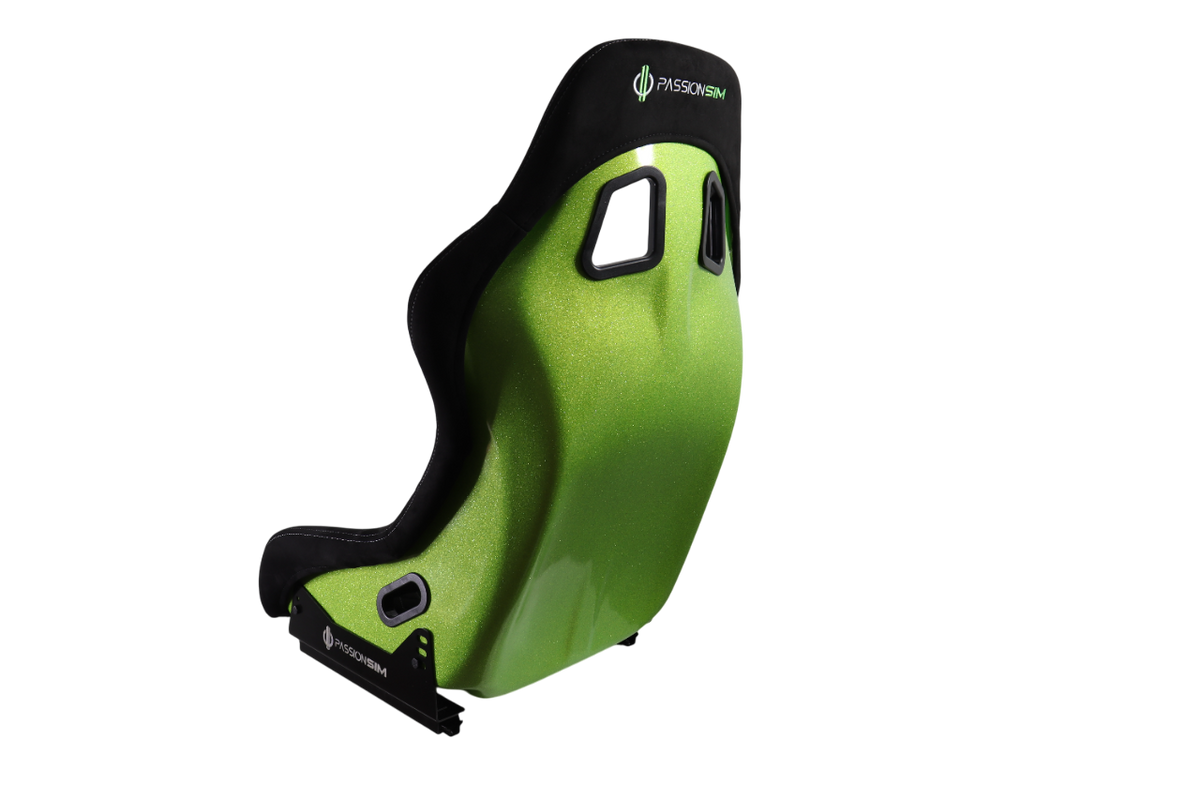
The seat is the most underrated piece of equipment in sim racing — until your first hour-long endurance stint. A proper racing seat does three things no office chair can: it locks your body in place (your inputs get more precise when your hips aren't shifting), it maintains a consistent driving position (your muscle memory builds on fixed reference points), and it protects your back over long sessions. At PassionSim, our PassionSim and 6Sigma seats are selected to integrate perfectly with profile-based cockpits.
Three things to consider
The choice comes down to three factors. Driving position: upright GT (versatile, comfortable, recommended for a first seat) or reclined formula (maximum single-seater immersion, but dedicated). Support: the more pronounced the side bolsters, the more locked-in your body is, at the cost of accessibility; a family or multi-driver setup favors a more open seat. Mounting: check slider and bracket compatibility with your cockpit — native integration is the guarantee of zero DIY hassle.
A driving position tip from real drivers
One last tip from real drivers: set your position once, correctly (legs slightly bent with the brake pedal fully pressed, wrists bent at the top of the wheel with arms extended), then don't touch it again. Position consistency is an invisible ingredient of lap-time consistency. Round out the setup with an adjustable screen mount aligned to your line of sight, and drive.
Comfort, durability and installation
Most seats fit a wide range of body types; for extreme cases, contact us to confirm dimensions before buying. Some drivers add a lumbar cushion for very long endurance sessions, though it's not necessary for most. With normal use, a seat lasts several years with no noticeable wear, as long as it's mounted securely on a cockpit or dedicated stand rather than placed directly on the floor.