

Collection: Cockpit
Discover our 6Sigma aluminium Sim Racing cockpits, designed to offer optimal rigidity, maximum stability and an ultra-precise Sim Racing experience.
Featured product


Aluminum

Manufacturer Warranty
Aluminum
Manufacturer Warranty
Aluminum
Manufacturer Warranty
Aluminum
Manufacturer Warranty
Aluminum
Manufacturer Warranty
Aluminum
Manufacturer Warranty
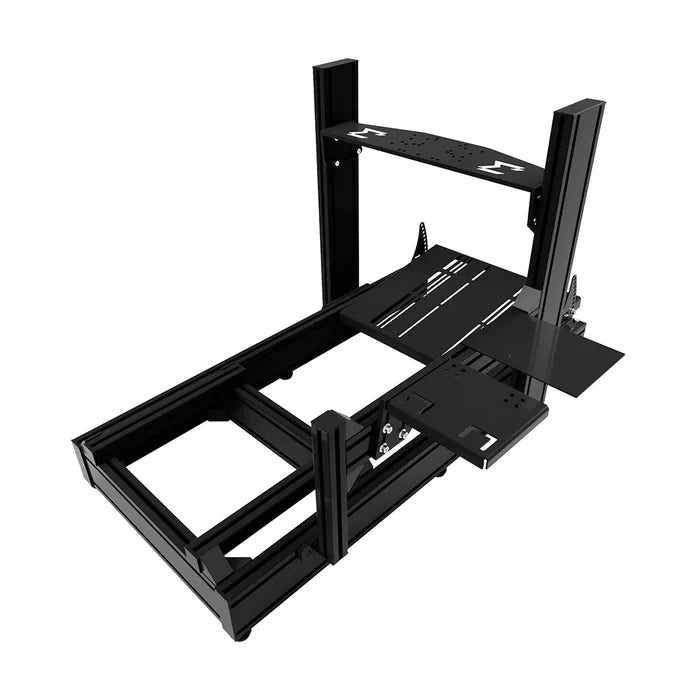
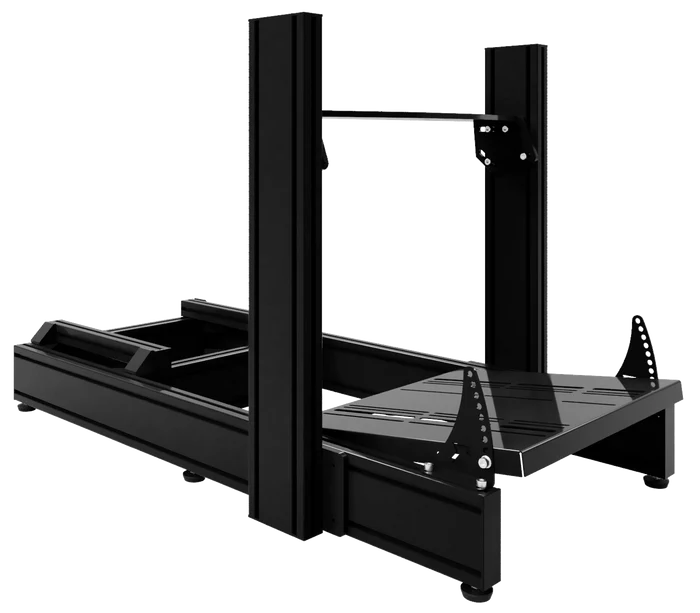

Compatible up to 25 Nm

120 mm profiles
Aluminum

Adjustable

Universal Compatibility
Manufacturer Warranty
Compatible up to 25 Nm
120 mm profiles
Aluminum
Adjustable
Universal Compatibility
Manufacturer Warranty

Sim racing cockpits and chassis
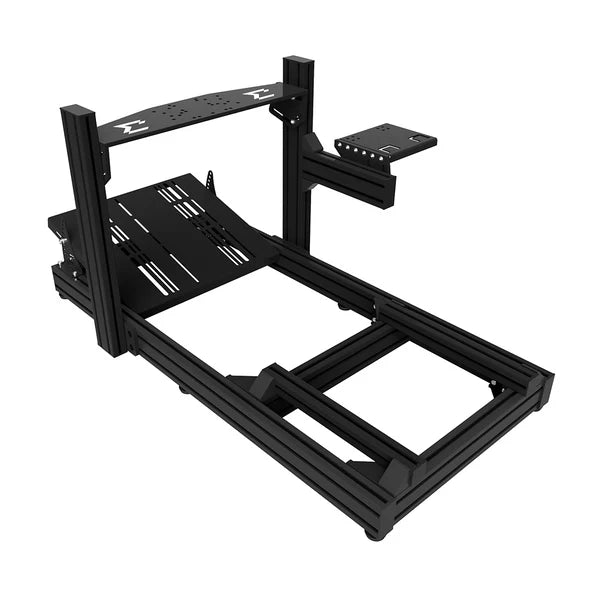
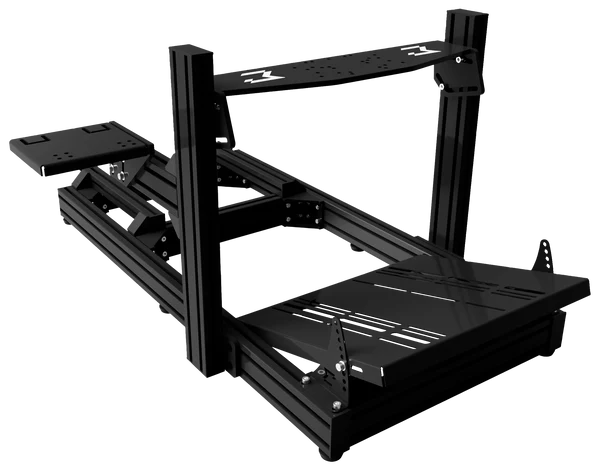
Compatible up to 15 Nm

30 kg
Aluminum

Hydraulic Technology
Manufacturer Warranty
Compatible up to 15 Nm
30 kg
Aluminum
Hydraulic Technology
Manufacturer Warranty
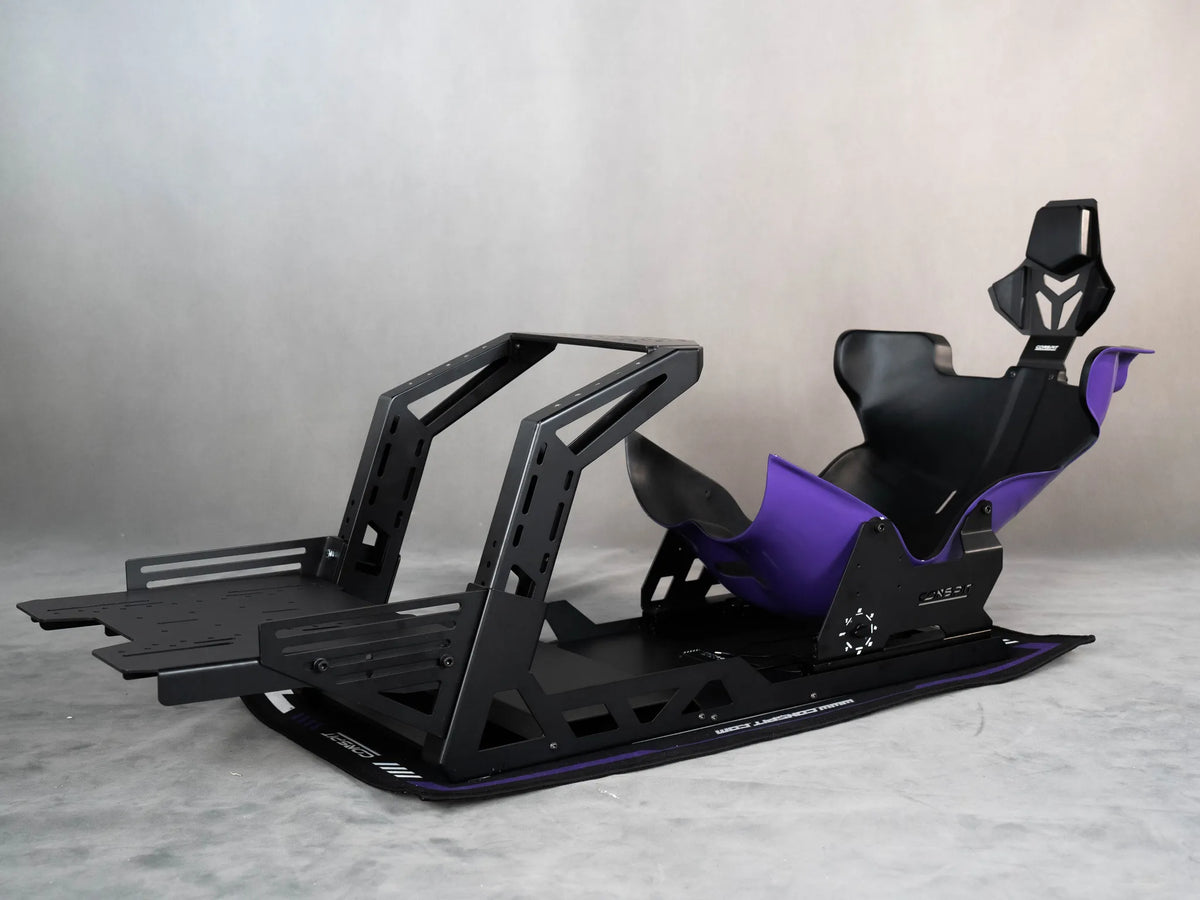
Steel
Universal Compatibility
Manufacturer Warranty
Steel
Universal Compatibility
Manufacturer Warranty
Steel
Universal Compatibility
Manufacturer Warranty
Steel
Universal Compatibility
Manufacturer Warranty